Tuesday, April 25, 2023

Elymus canadensis and look-alikes Wild Ryes

 E. canadensis should have recurved awns (usually they would be visible by this late in the season),

spikes that look more slender and a lot of them slightly more gently nodding is less typical on E. canadensis. 

 many of the spikes losing all their seeds early is more typical of E. riparius than E. canadensis. 

E. riparius or E. villosus. You may need to feel the leaf blades to check for pubescence to tell them apart. We are also one county out-of-range for both species.

However, the setting, bottomlands and presumably a floodplain, not far from a stream, would be good habitat for both species, especially E. riparius, and would be less good habitat for E. canadensis which on average is found in drier conditions, and is less tolerant of shade 

Black Willow (Salix nigra)

 Shiny light-colored twigs, small, triangular buds, all of them the same size (no difference between catkin buds and leaf buds), and long and narrow, regularly toothed leaves.

Orthotrichum stellatum (Starry Bristle Moss)


  • green, rotund capsules lack hairs
  • dry, dehisced capsules (last season's in this case) with restriction below the mouth

Ivy leaved speedwells (Veronica hederifolia and V. sublobata)

 Key to distinguish Veronica sublobata from Veronica hederifolia:

  1. Pedicel length (at least in fruit) 3–4(-6) times calyx length, usually with few to many randomly scattered long (>width of pedicel) spreading hairs, sometimes also with a single line of short hairs; corollas pale violet, purple, pink or whitish, the interior without a contrasting white (although paler) center, 4–5(-6) mm diam; styles 0.2–0.7 mm long ......................................................... Veronica sublobata
  2. Pedicel length 2–3 times calyx length, with a single line of short (< width of pedicel) hairs; corollas blue with a strongly contrasting bright white center, 5–7(-9) mm diam; styles (0.6-)0.7–0.9(-1.1) mm long ...................................... Veronica hederifolia s.str.

Pretty Ruffle Lichen (Parmotrema austosinense)


  • no marginal cilia
  • soralia at tips of lobes
  • soralia long/cover a good length along the lobe tip
  • lower surface bare of rhizines
  • lower surface white
  • upper surface light green


Pin and Scarlet Oaks (Quercus palustris vs. others)

 Q. palustris has base of leaf decurrent on leaf stem (so wedge-shaped), sinuses narrow-ish (not circular) and main veins of lobes arching toward leaf tip, not heading straight out from central vein. 

Bladder Sedge (Carex intumescens)

 cespitose, wide leaves, single staminate spike with staminate scales awned.


Burdocks (Arctium minus vs. A. lappa)

 A. minus has hollow leaf stems and acute (pointed) leaf tips. 

A. lappa has solid leaf stems and rounded leaf tips.


A. minus has flowers/fruit with short stems, and overall in a cluster following the main stem. 

A. lappa has flowers/fruit with long stems, and overall in a flat-topped cluster. 


A. lappa fruit are larger. 

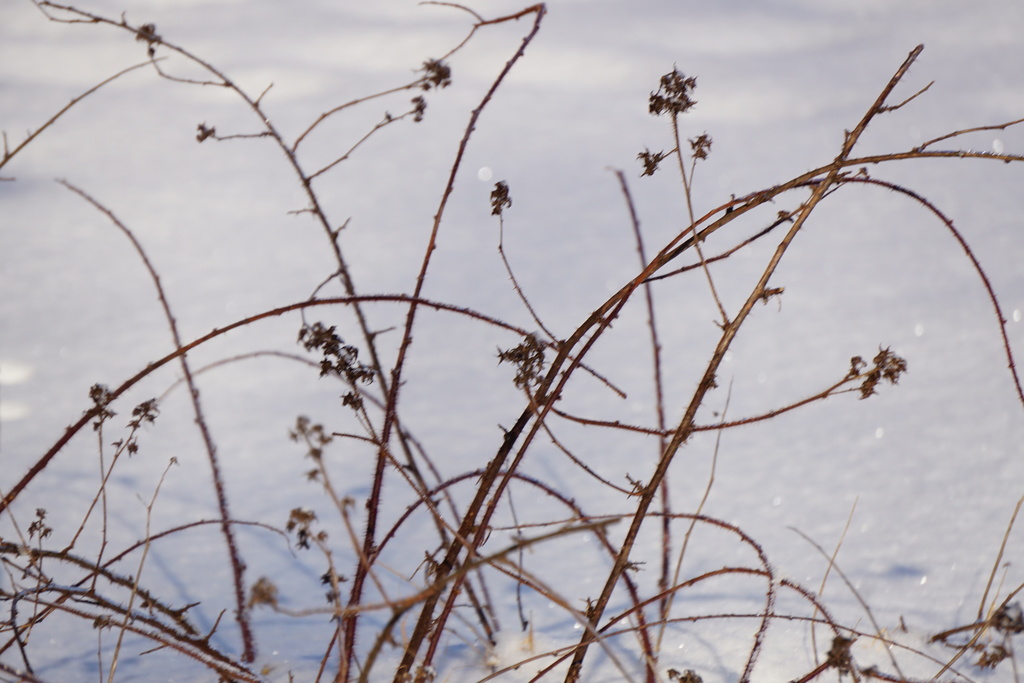
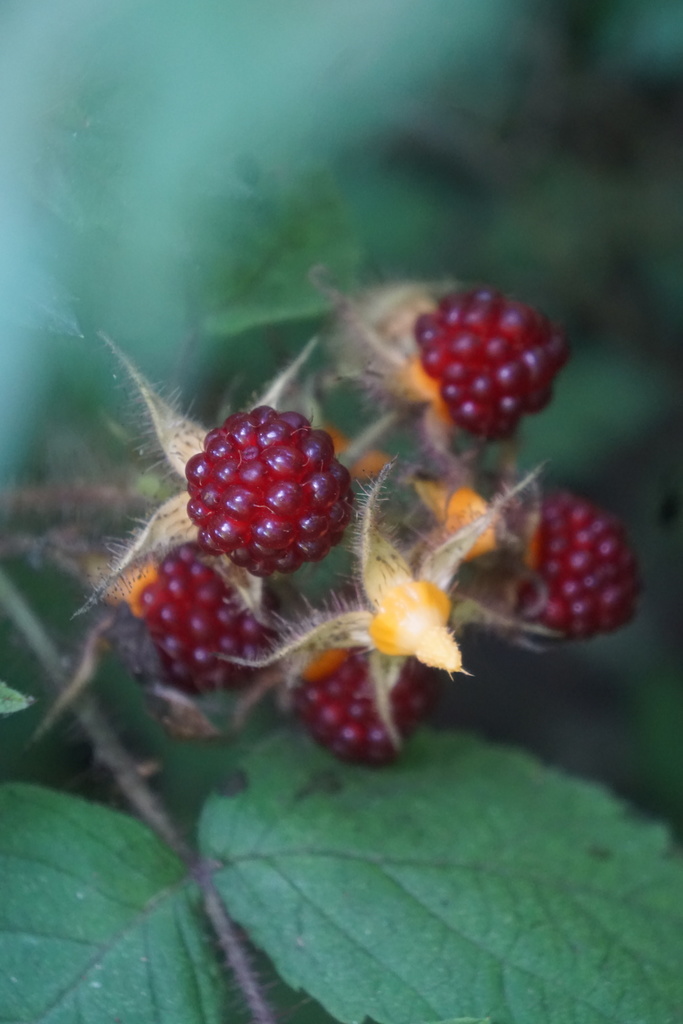
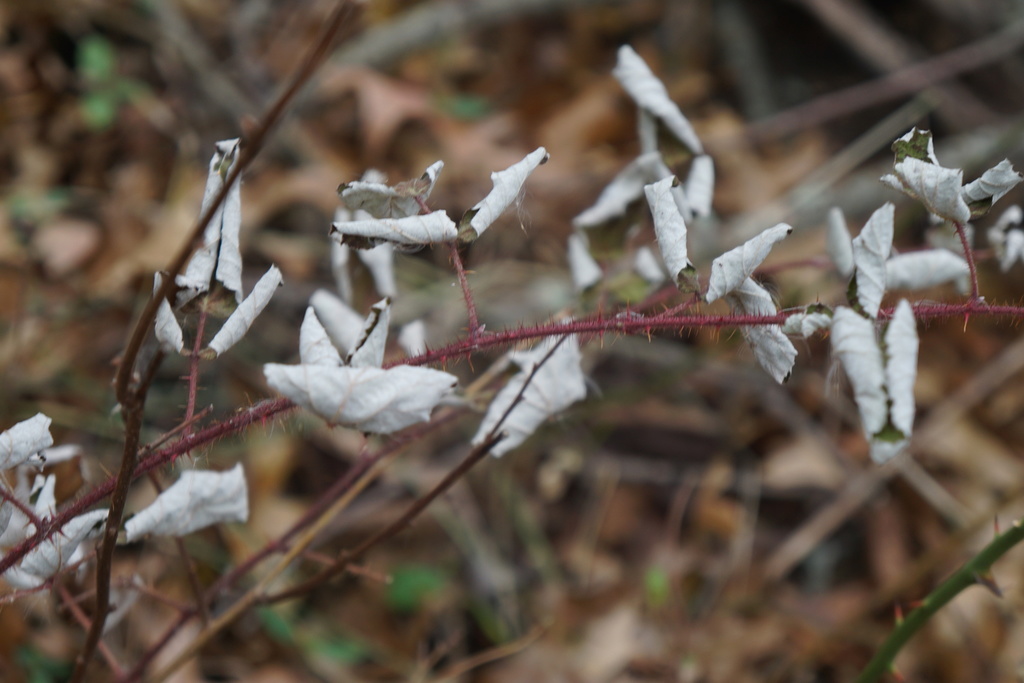
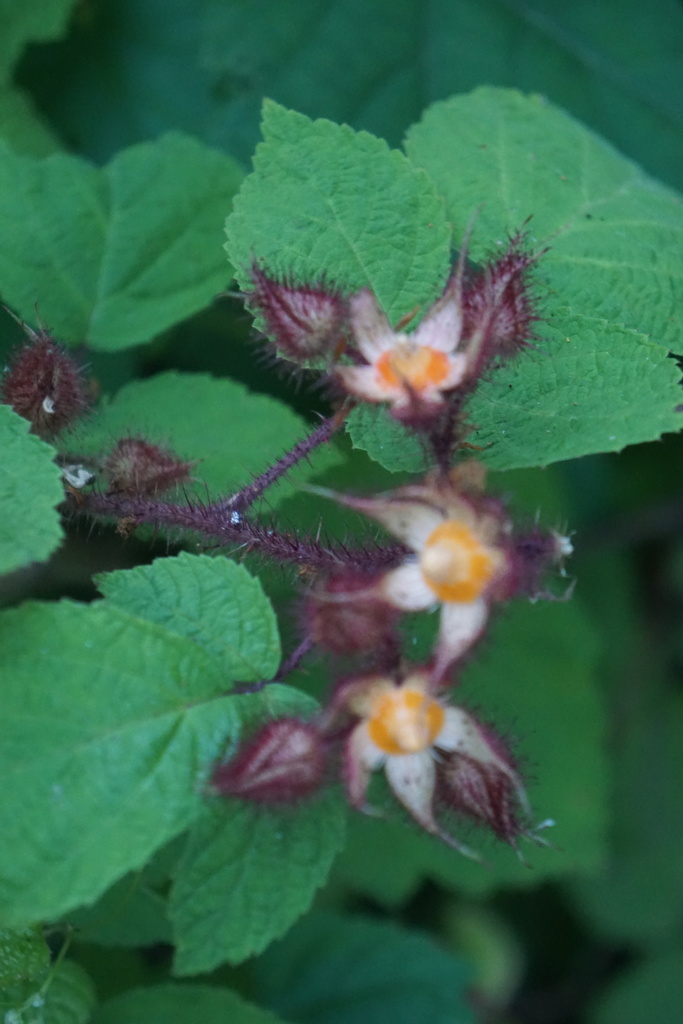
Rubus species (Blackberries, Raspberries, Dewberries)

In New Jersey we have:

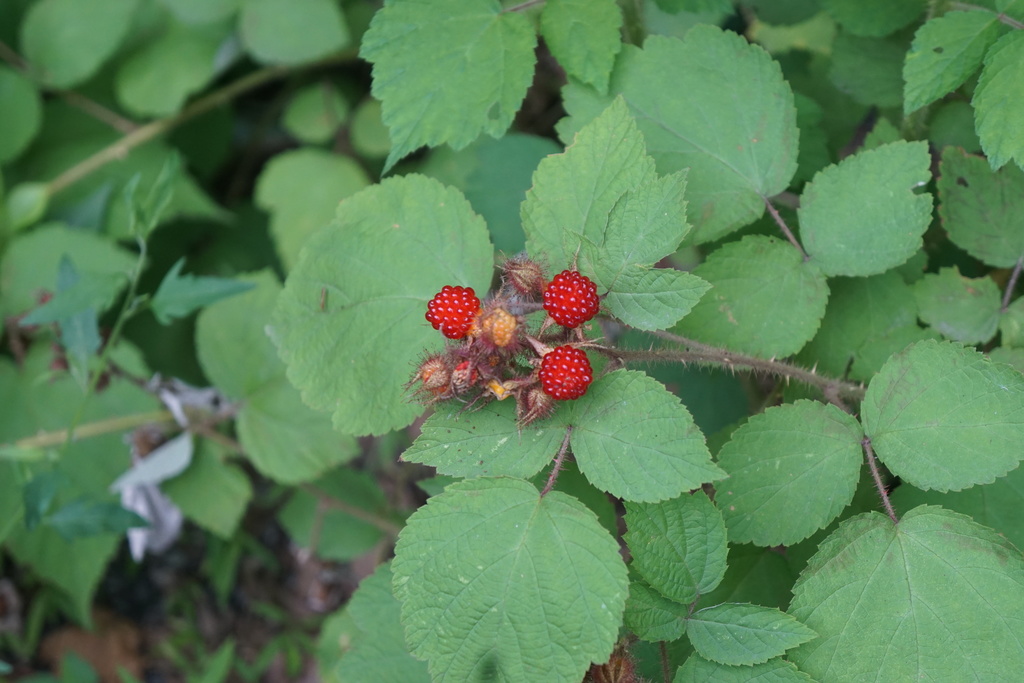
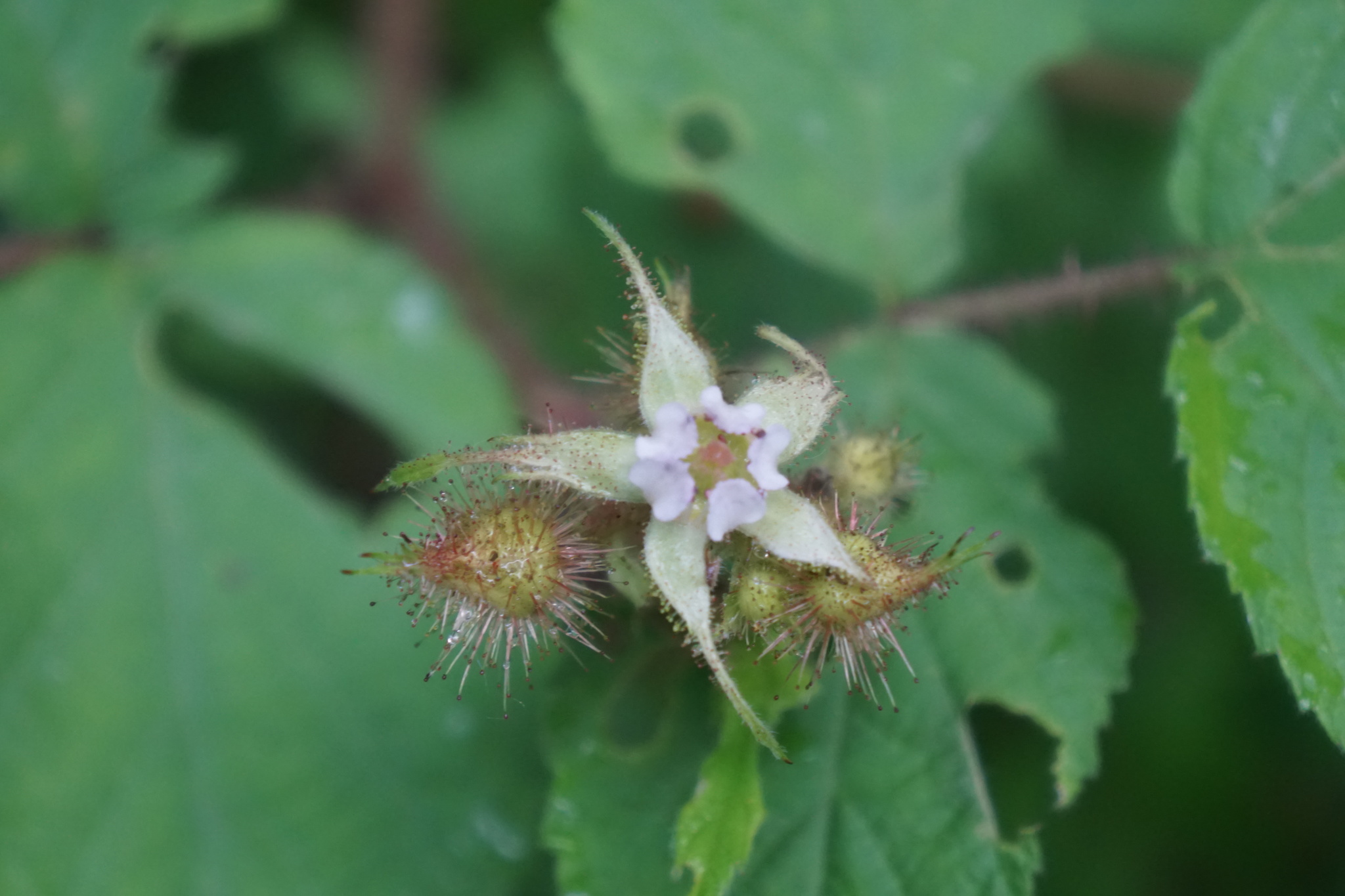
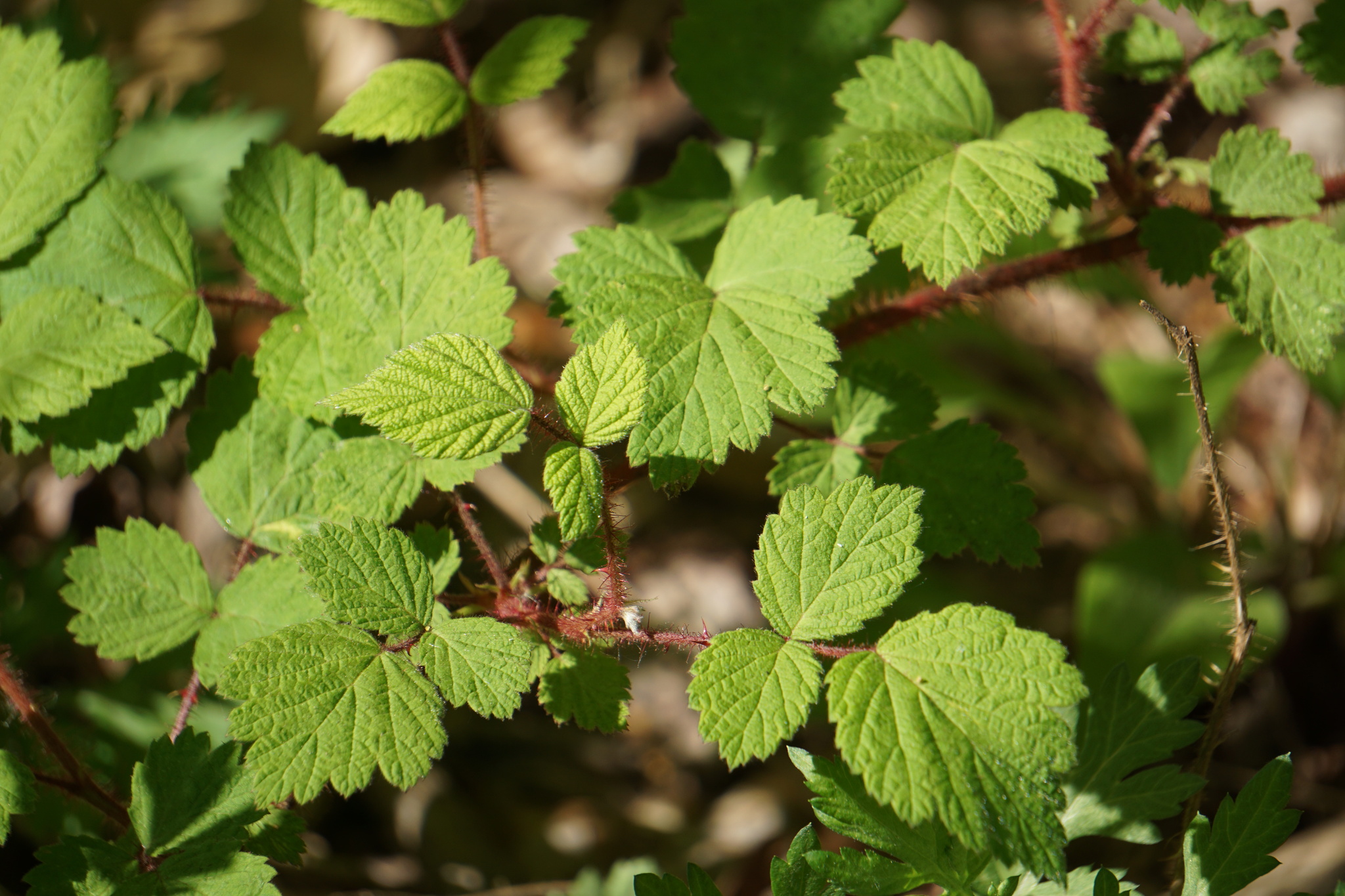
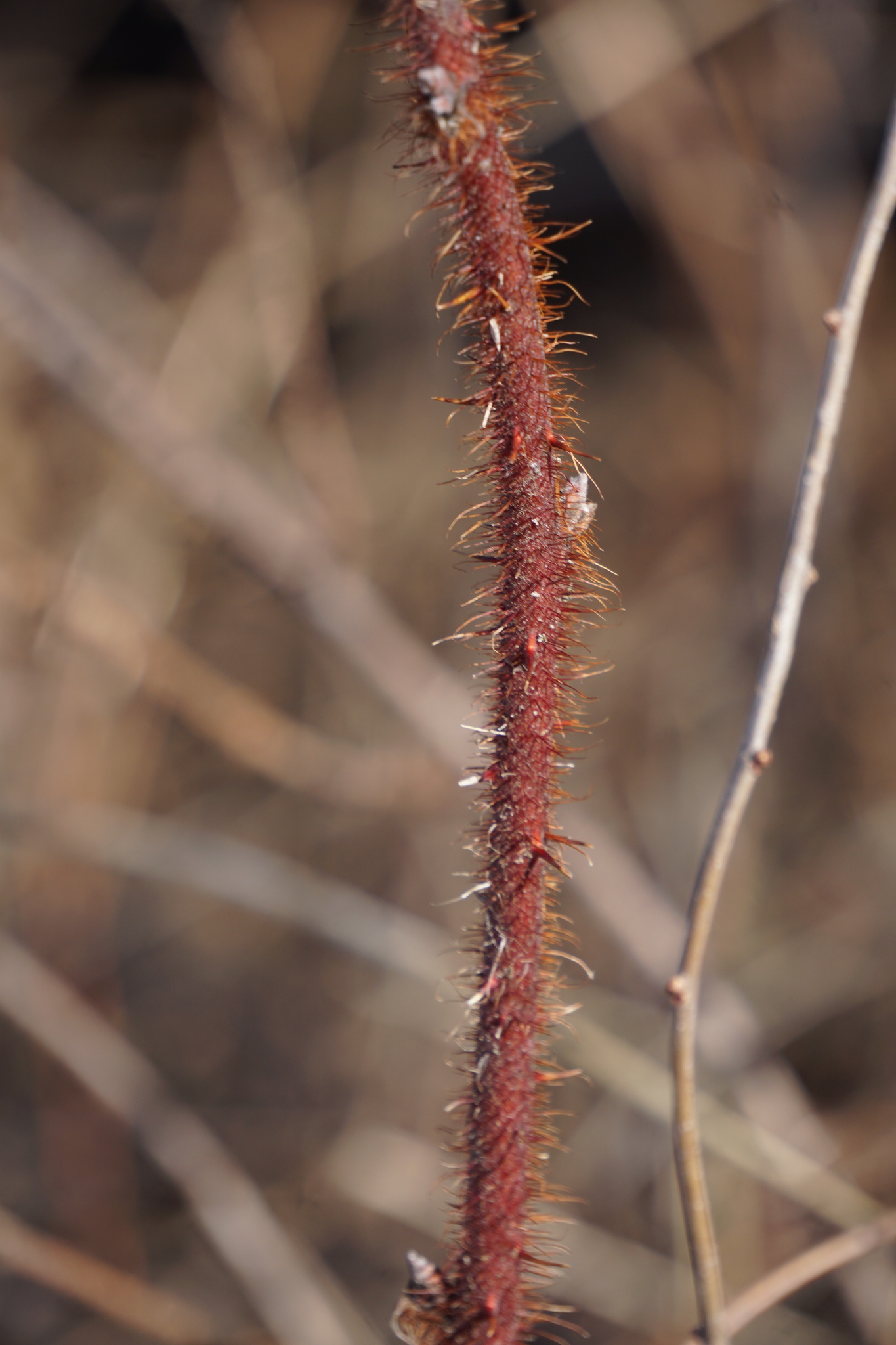
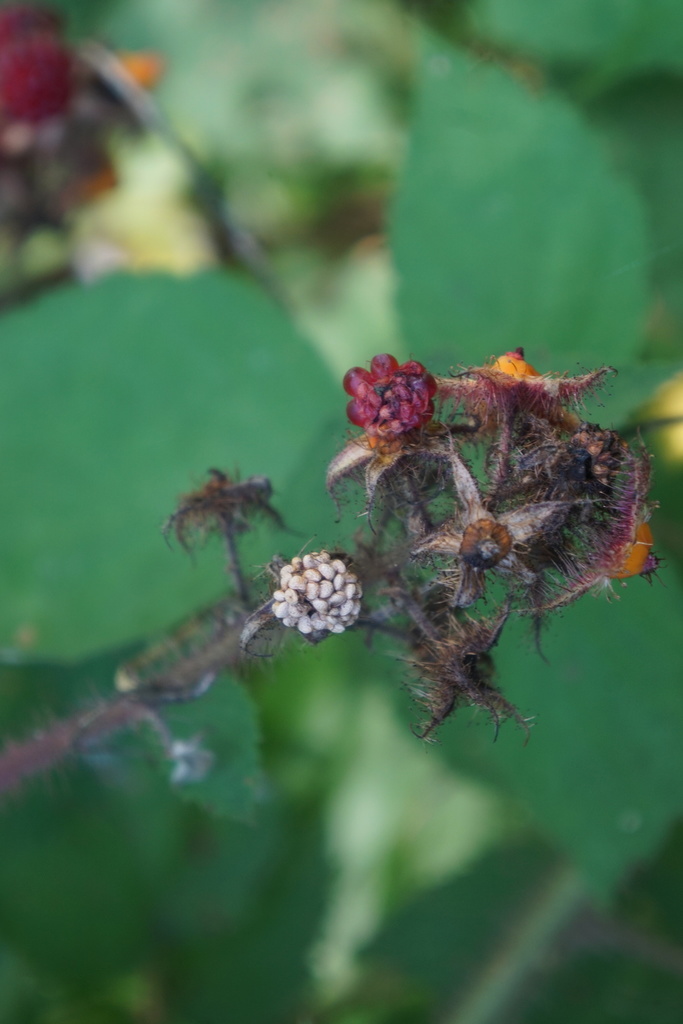
Wineberry (R. phoenicolasias): fuzzy red stems

Black raspberry (R. occidentalis): blue-white, round stems 

(Red raspberry) (R. idaeus) (mostly north of NJ): blue-green, round stems 


Cut-leaved blackberry (R. laciniatus): deeply lobed leaflets

Sand blackberry (R. cuneatus): wedge-shaped, smallish leaflets

Purple flowering raspberry (R. odoratus): leaves not divided, currant or maple-like


Common dewberry (R. flagellaris): trailing with prickles on stems, dull leaves

Swamp dewberry (R. hispidus): trailing with bristles and some prickles on stems, shiny leaves


Common blackberry (R. allegheniensis): fluted stems, flowers in clusters of more than 12, glandular flowerstalks

Pennsylvania blackberry (R. pensylvanicus): fluted stems, flowers in clusters of fewer than 12, not very glandular. 


Tough to separate the last two. 


Monday, June 27, 2022

Guide to Amelenchier spp. Serviceberries, Juneberries, Shadbushes

 I only know how to separate them when they are blooming. We have four common species (and two very rare) 

A. arborea: common serviceberry

A. canadensis: Canadian serviceberry

A. laevis: smooth shadbush

A. spicata: dwarf serviceberry


The rare ones:

A. sanguinea: roundleaf shadbush (this is a northern species)

A. bartramiana: Bartram's shadbush (a more common northern species)


When flowering:

- leaves 1/4 grown: dwarf

- leaves much less than half grown: common

- leaves half grown: smooth

- leaves still folded: Canadian


Leaves:

- nearly smooth: smooth

- hairy: the other three


Leaf tip: 

- pointed: common or smooth

- round-tipped but maybe with a bristle: Canadian

- any shape: dwarf


Leaf base:

- tapered: common, Canadian, or dwarf

- not tapered: smooth or dwarf


Flower stem:

- silky: common

- hairy: Canadian

- smooth: smooth

- with thin hair: dwarf


So: 

Common: tiny leaves at flowering, very hairy, pointed on both ends

Canadian: larger leaves at flowering, with round, maybe bristle-tipped ends, hairy

Smooth: moderate leaves at flowering, everything is smooth, leaf base not tapered

Dwarf: tiny leaves at flowering, very hairy, a much smaller plant than the common. 


Roundleaf: has rounder leaves with veins that go all the way to the teeth

Bartram's: smooth, and with very few flowers